Awards and Honours
Authors/Creators
Description
Graphene collects the Nobel prize
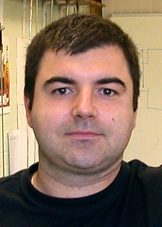
Nobel Prize winners Andre Geim (left) and Konstantin Novoselov (right). © Sergeom, Wikimedia Commons, and University of Manchester, UK.
The Nobel Prize in Physics for 2010 has been awarded to Andre Geim and Konstantin Novoselov, both from the University of Manchester, for their “groundbreaking experiments regarding the two-dimensional material graphene”. Graphene has exceptional properties that have made it a micro-laboratory for quantum physics. Not only is graphene the thinnest material ever made, it is also the strongest, as well as being an excellent conductor and almost completely transparent.
At a time when many researchers believed that it was impossible for such thin materials to be stable, Geim and Novoselov extracted graphene from a piece of graphite using only normal adhesive tape. Novoselov, 36, first worked with Andre Geim, 51, as a PhD student in the Netherlands. He subsequently followed Geim to the UK. Both originally studied and began their careers in Russia and are now professors at Manchester.
Prof. Jens Jørgen Gaardhøje (Chair of the Medal Selection Committee and President of the Science Committee of the Danish National Commission for UNESCO and a member of the ALICE collaboration at CERN) with Prof. Sir Tim Berners-Lee (now W3C, MIT; Boston, formerly CERN), Prof. Sir John Pendry (Imperial College, London), Deputy Director-General of UNESCO, Mr. Getachew Engida, and Prof. Kip S. Thorne (Caltech, Pasadena), at the UNESCO Awards Ceremony. © Hasse Ferrold
Berners-Lee receives UNESCO-Niels Bohr gold medal
At a ceremony held at the Royal Danish Academy of Science and Letters in Copenhagen on 14 September, three leading researchers received the UNESCO-Niels Bohr Gold Medal for their outstanding contributions to research in physics which have or could have a significant influence on the world. The medal, which UNESCO created in 1985 to commemorate the centenary of Niels Bohr’s birth, was previously awarded in 1998 and 2005. The 2010 laureates are Sir Tim Berners-Lee from the Massachusetts Institute of Technology, Sir John Pendry from Imperial College London and Kip Thorne from the California Institute of Technology.
Berners-Lee is honoured “for the development of hypertext, the World Wide Web and their far-reaching consequences for global communication and exchange of information”; Pendry “for pioneering contributions to the development of metamaterials, i.e. materials with remarkable and new optical properties” and Thorne “for groundbreaking contributions to the study of black holes and gravitational waves”.

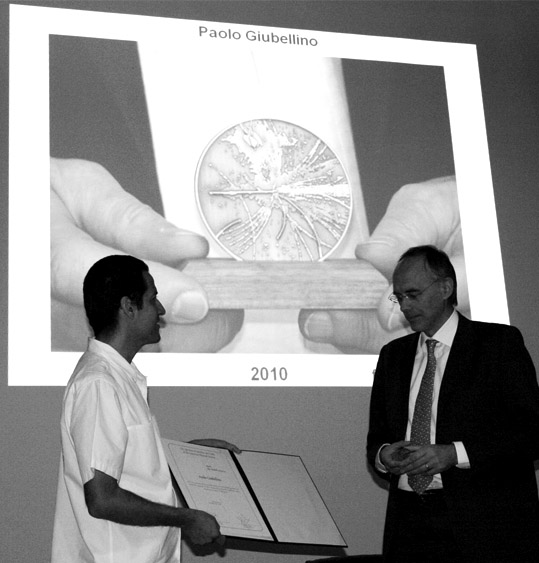
Paolo Giubellino is awarded the Medal of the Division of Particle and Fields in a special session of the 5th Workshop on High Energy Physics, celebrated from September the 27th to October the 1st in Mexico City.
ALICE’s Paolo Giubellino awarded Medal by Mexican Physical Society
Paolo Giubellino, the elected spokesman of ALICE, has been awarded the Medal of the Division of Particles and Fields by the Mexican Physical Society. As the first European to be awarded the medal, Paolo is recognized for his work in the development of high-energy physics in Mexico.
Paolo has played a significant role in developing collaboration between Europe and Latin American institutes. His support led to Mexico’s involvement in ALICE, particularly in the successful construction of the V0 detector and the Cosmic Ray detector.
Pierpaolo Mastrolia, winner of
the Sofja Kovalevskaja Award,
and former CERN fellow.
© Humboldt Foundation
CERN theorist wins Sofja Kovalevskaja Award
Pierpaolo Mastrolia, former CERN fellow, has won the Sofja Kovalevskaja Award, presented by the Alexander von Humboldt Foundation. These awards are given to young scientists, helping them develop research groups at German host institutes. Pierpaolo will be continuing his research at the Max Planck Institute of Physics, Munich.
CERN scientists listed in The Times “Most important people in British science”
Eureka!, the science magazine of The Times Newspaper, has named the 100 most important people in British science (link behind paywall). Chosen by a panel of experts, the list includes scientists from CERN. Congratulations to all of them!
Other (French)
La découverte du graphène récompensée par le prix Nobel
Lauréats du prix Nobel, Andre Geim (à gauche) et Konstantin Novoselov (à droite). © Sergeom, Wikimedia Commons et l'Université de Manchester, Royaume-Uni.
Le prix Nobel de Physique 2010 a été attribué à Andre Geim et Konstantin Novoselov, de l’Université de Manchester, pour leurs « expériences révolutionnaires sur un matériau bidimensionnel, le graphène ». Le graphène a des propriétés exceptionnelles qui ont fait de lui un micro-laboratoire pour la physique quantique. Le graphène est non seulement le matériau le plus fin jamais réalisé, mais c’est également le plus résistant. C’est en outre un excellent conducteur, qui plus est quasiment transparent.
Alors que nombre de chercheurs croyaient qu’il était impossible que des matériaux si fins puissent être stables, Andre Geim et Konstantin Novoselov ont extrait du graphène d’un morceau de graphite, et ce à l’aide d’un simple ruban adhésif. Konstantin Novoselov, 36 ans, a d’abord travaillé aux Pays-Bas avec Andre Geim, 51 ans, qui y dirigeait sa thèse de doctorat. Il l’a ensuite suivi au Royaume-Uni. Tous deux ont fait leurs études et débuté leur carrière en Russie et sont à présent professeurs à l’Université de Manchester.
Le professeur Jens Jørgen Gaardhøje (Président du comité de sélection médaille, président du comité scientifique de la Commission danoise Natl pour l'UNESCO et membre de la collaboration ALICE au CERN), avec le professeur Sir Berners-Lee (maintenant W3C , MIT Boston , anciennement CERN), le professeur Sir John Pendry (Imperial College, Londres), vice-directeur général de l'UNESCO, M. Engida Getachew, et le professeur Kip S. Thorne (Caltech, Pasadena) lors de la cérémonie des Awards de l'UNESCO. © Hasse Ferrold
L’UNESCO décerne la médaille d’or Niels Bohr à Timothy Berners-Lee
À l’occasion d’une cérémonie organisée à l’Académie royale danoise des sciences et des lettres, à Copenhague, le 14 septembre dernier, trois éminents chercheurs ont reçu la médaille d’or Niels Bohr de l’UNESCO pour leurs contributions exceptionnelles à la recherche en physique, contributions qui ont, ou qui pourraient avoir, une influence majeure sur le monde. Cette médaille, instaurée par l’UNESCO en 1985 pour commémorer le centenaire de la naissance de Niels Bohr, a précédemment été décernée en 1998 et en 2005. Les lauréats pour 2010 sont Sir Timothy Berners-Lee, du Massachusetts Institute of Technology, Sir John Pendry, de l’Imperial College London, et Kip Thorne, du California Institute of Technology.
Tim Berners-Lee est distingué « pour le développement de l’hypertexte et du World Wide Web et leurs conséquences considérables pour la communication et l’échange d’informations à l’échelle mondiale » ; John Pendry, quant à lui, est récompensé « pour ses contributions avant-gardistes au développement de métamatériaux, à savoir des matériaux possédant des propriétés optiques nouvelles et remarquables » ; enfin, Kip Thorne est distingué « pour ses contributions révolutionnaires à l’étude des trous noirs et des ondes gravitationnelles ».
Paolo Giubellino est décoré de la Médaille de la Division des particules et des champs d'une une session spéciale du 5e Atelier sur la physique des hautes énergies, du 27 septembre au 1er octobre à Mexico.
Paolo Giubellino, de la Collaboration ALICE, distingué par la Société mexicaine de Physique
La Société mexicaine de physique a décerné la médaille Division of Particules and Fields à Paolo Giubellino, porte-parole élu de la Collaboration ALICE. Paolo est le premier Européen à recevoir cette médaille, qui récompense ses travaux menés dans le cadre du développement de la physique des hautes énergies au Mexique.
Paolo a joué un rôle majeur dans l’instauration d’une collaboration entre instituts européens et latino-américains. Ses efforts ont conduit à la participation du Mexique à l'expérience ALICE, et en particulier à la construction du détecteur V0 et du détecteur de rayons cosmiques.
Pierpaolo Mastrolia, ancien
boursier du CERN et lauréat du
prix Kovalevskaja Sofja.
© Fondation Humboldt
Un théoricien du CERN remporte le Prix Sofja Kovalevskaja
Pierpaolo Mastrolia, ancien boursier du CERN, a remporté le Prix Sofja Kovalevskaja, présenté par la Fondation Alexander von Humboldt. Ces prix sont décernés à de jeunes scientifiques, en les aidant à développer des groupes de recherche dans les instituts d'accueil allemand. Pierpaolo poursuivra ses recherches à l'Institut de physique Max Planck, à Munich.
Des scientifiques du CERN classés par le Times parmi les personnes les plus influentes dans le monde de la science en Grande-Bretagne
Eureka !, la revue mensuelle scientifique du Times a dressé la liste des 100 personnes les plus influentes dans le monde de la science en Grande-Bretagne (cf. lien derrière le formulaire d’abonnement).Parmi la liste dressée par le comité d’experts figurent des scientifiques du CERN. Nous les félicitons tous vivement !
Files
! NIELS BOHR GOLD M Internet Berners Lee140910 Photo Hasse Ferrold 2(1)_image.jpg
Files
(4.3 MB)
| Name | Size | Download all |
|---|---|---|
|
md5:5aa71f4eddeec5d6a282b30f7133f521
|
963.4 kB | Preview Download |
|
md5:5aa71f4eddeec5d6a282b30f7133f521
|
963.4 kB | Preview Download |
|
md5:5aa71f4eddeec5d6a282b30f7133f521
|
963.4 kB | Preview Download |
|
md5:52ae7865b97310390c1e86f1360990f2
|
32.1 kB | Preview Download |
|
md5:da67155e6733ee408613db5f39af3d3b
|
1.3 MB | Preview Download |
|
md5:cc84cc9fa31666d0fc6654fbe1c2161e
|
8.1 kB | Preview Download |
|
md5:f5ff9481d9b5ba95104bc529e88e8181
|
29.2 kB | Preview Download |
|
md5:54889c99ac560add9dd946469a47125a
|
84.3 kB | Preview Download |
|
md5:2f1eae75d94afde0732cfc9156a90457
|
15.8 kB | Preview Download |
_image.jpg?download=1)
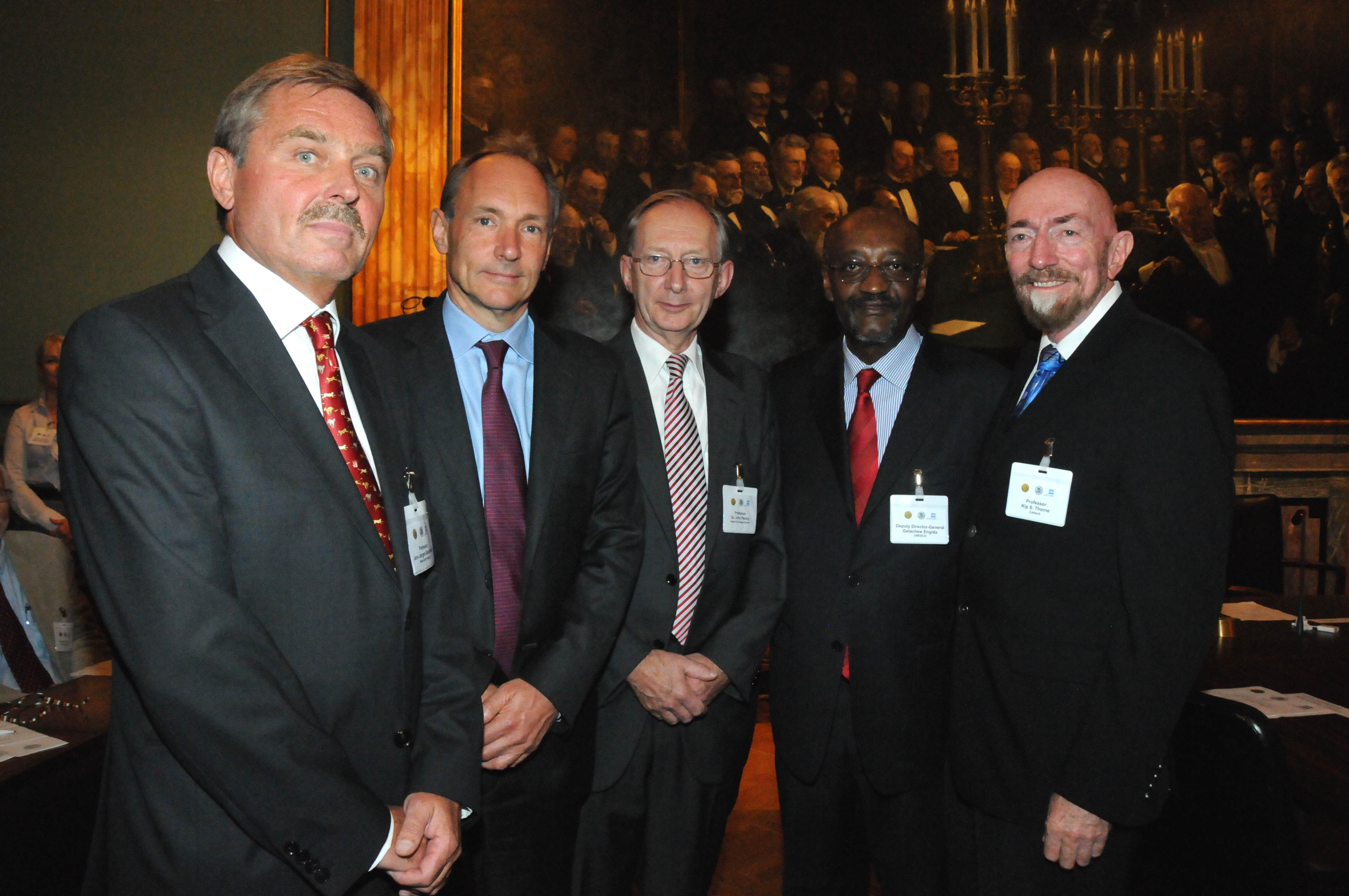
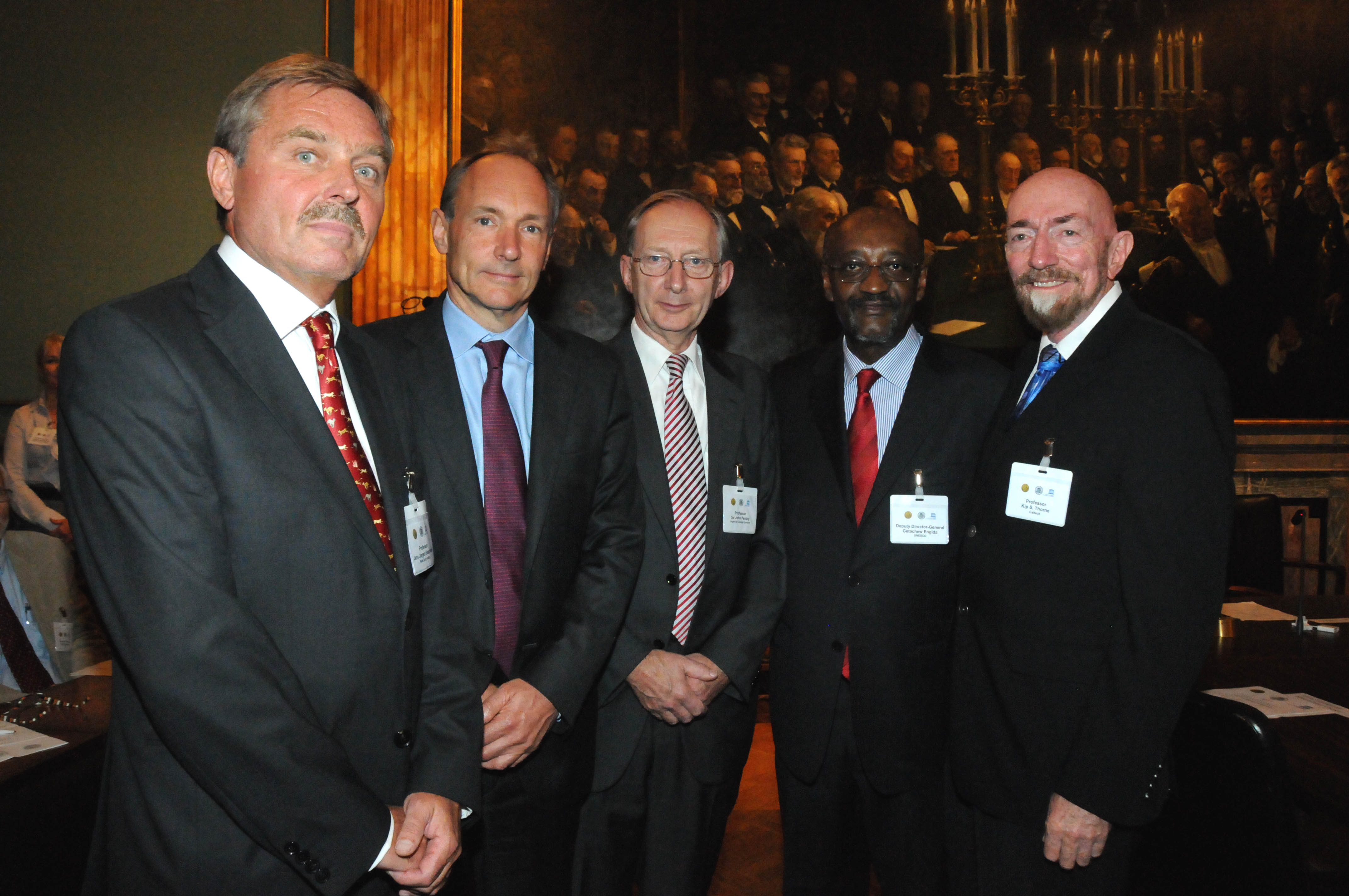
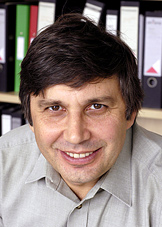
_image.jpg?download=1)


Additional details
Identifiers
- CDS
- 1299926
- CDS Report Number
- BUL-NA-2010-274
Related works
- Is published in
- Periodical issue: gsf12-ct972 (CDS)
- Periodical issue: 1xexy-zc998 (CDS)